

康熙王朝


分类: 熊猫
乡约
American teacher takes jar of sand as symbol of shared ground in forest he helped grow in China_我的网站

A | 고(故) 장미란씨 실종 사건을 허위 종결한 혐의를 받는 제주서부경찰서 소속 부 경장이 25일 제주지방법원에서 구속 전 피의자 심문(영장실질심사)을 마친 뒤 이동하고 있다. /사진=뉴스1 고(故) 장미란씨 실종 사건 등을 허위 종결한 혐의를 받는 부 경장이 실종자와 연락한 적이 있다고 속인 탓에, 경찰이 통화기록을 찾는 데만 3주의 시간을 보낸 것으로 나타났다.26일 뉴스1에 따르면 경찰은 지난 5월15일 장미란씨에 대한 1차 실종 신고를 접수했고, 이어 7월19일 2차 실종 신고를 받았다.2차 신고가 접수됐을 때 부 경장은 "1차 신고 당시 장씨와 연락이 닿았다"고 주장했지만, 정작 통화한 기록은 확인되지 않았다. 부 경장이 휴대전화와 사무실 전화 등 어떤 방법으로 실종자와 연락했는지 확답을 내놓지 못했기 때문이다.이에 경찰은 부 경장의 거짓말을 의심하면서도 장씨 소재 파악이 우선이라고 판단, 실종자와의 통화 내역을 찾는 데 주력했다. 이후 3주 동안이나 통화기록을 찾지 못한 경찰은 지난 11일에야 부 경장을 직위해제하고, 지난 14일 직무유기 등 혐의로 입건했다.경찰 관계자는 "다른 방식으로 부 경장이 장씨와 통화했을 가능성을 염두에 두고, 근무환경에서 통화가 가능한 통수신 방법을 전부 확인했다"며 "그럼에도 통화 확인이 안 돼 허위 종결 가능성이 있다고 보고 수사를 의뢰한 것"이라고 밝혔다.장미란씨는 지난 5월12일 밤 10시15분쯤 제주시 한림읍에서 장기 투숙 중이던 숙소를 나간 뒤 연락이 끊겼다. 이후 사흘 뒤인 5월15일 오후 장씨의 남자친구가 경찰에 실종 신고했다.그러나 사건을 담당한 제주서부경찰서 소속 부 경장은 장씨와 실제로 연락하지 않았음에도, 신고자에게 "장씨와 연락이 닿았으나 위치를 알려주고 싶어 하지 않는다"고 거짓으로 설명한 뒤 신고 접수 약 2시간30분 만에 사건을 종결했다.부 경장은 경찰 내부 실종자 관리 시스템에서도 장씨 자료를 삭제하면서 해제 사유를 '교통사고 사망'으로 허위 입력한 것으로 파악됐다.장씨에 대한 수색은 가족이 지난달 19일 서울의 한 경찰서에 다시 신고하면서 재개됐다. 장씨는 실종 104일 만인 이달 24일 머물던 숙소에서 직선거리로 약 400m 떨어진 야자수 농장에서 숨진 채 발견됐다.부 경장은 또 다른 60대 남성의 실종 사건도 당사자 소재를 확인한 것처럼 허위로 종결한 혐의를 받고 있다. 이 남성 역시 실종 신고 51일 만에 숨진 채 발견됐다. 부 경장은 직무유기와 공전자기록 위작·행사, 위계에 의한 공무집행방해 등 혐의로 지난 25일 구속됐다.。
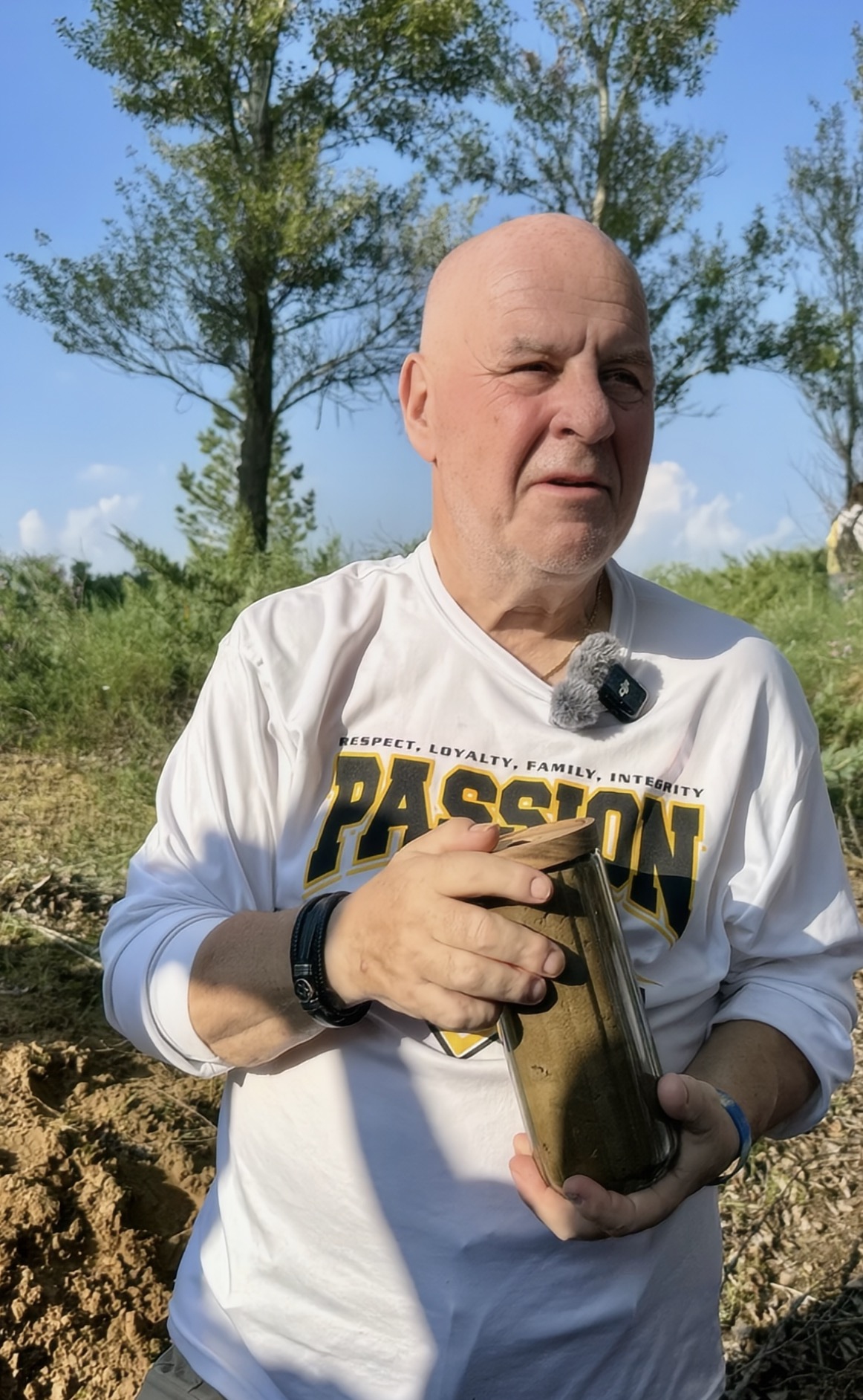
On Monday afternoon, Ronald Sakolsky, an American teacher, set foot once again on the soil of the Mu Us Desert, in the Uxin Banner of Ordos, North China’s Inner Mongolia Autonomous Region. He first came here in 2000. Back then, the land was little more than drifting sand. Today, it is green with trees – a transformation driven by decades of local effort.
He stood within Sakolsky Forest, a woodland formally named to honor his early donation toward local ecological restoration. There, he carried out a plan he had held long before this trip: filling a jar with sand from the desert to bring home to the US.
More than two decades ago, sand was the one thing this place had in abundance. In 1999, when Sakolsky arrived in China as a participant in a bilateral teacher exchange program, he was moved by the tireless efforts of Chinese desert fighter Yin Yuzhen and her husband to curb desertification in the Mu Us Desert. He raised $5,000 – equivalent in 1999 to three years of income for Yin’s entire family – to fund their local tree-planting initiative.
The young saplings bought with that donation have since matured into more than 50,000 full-grown trees, transforming the once desolate, sandy wasteland into a thriving green landscape.
When Sakolsky met Yin at the airport on Sunday, 26 years after his first visit to Inner Mongolia, he joked that he could not take a tree from the Mu Us Desert, but he could slip some sand into his shoes and carry a piece of the land back with him. Now, he had found exactly the sand he wanted – not just any sand, but from a place where persistence had turned desert into life, and where his own name had become part of that story.
“Promise is a promise,” he said. “Ms. Yin made a promise, and she fulfilled it.”
For Sakolsky, the sand is not just dirt. It is a metaphor, a bridge, a shared ground. He plans to tell his grandchildren what it means. “It’s not just a piece of sand in the jar,” he said. “It’s a jar of love.”
He used the jar of sand to symbolize that America and China share a relationship rooted in the same soil. He shook the jar, holding its two ends as if they were the two countries, and said that it shows we’re all on the same planet.
There is an old American joke, he noted, that if you dig a hole deep enough, you will eventually reach China. “We’re all on the same planet,” he said.
Earlier that day, while visiting Yin’s home, he spoke about the need for Americans and Chinese to see each other as family. “All Americans should understand that Chinese people and Americans can be family,” he said. “We can transcend differences if we focus on our common ground. We all love our countries, and we all value loyalty and respect – these are the shared virtues we hold dear.”
As for the sand he collected, Sakolsky said he would treat it as a treasure, alongside all his other precious keepsakes from China. He expects to display it in his living room – a daily reminder of the forest that carries his name and the people who made it grow.
。
Current article:http://jwfauha.senbatuqiuzhuanlanrilao.sbs/news/20260826_5602211.html
Published on:21:28:32
- California man gets year in prison for sending vile messages to father of gun massacre victim
- 发现大型不明生物!上海相关部门紧急处置:竟是……没想到!
- 中信证券:标准体系顶层设计加快完善,脑机接口产业化进程有望提速
- 【观点】光大期货:纯碱基本面宽松不改,期价底部震荡
- 泸州老窖:上半年净利润43.39亿元,同比下降43.37%
- 〝月収200万円&タワマン生活〟から激変!39歳俳優・中村昌也〝近況報告〟ショットに「実現してるなんて凄い」「凄く雰囲気変わった」の声
- DeepSeek plans steep price hike for API services
- 金洸华溪山禾玺:百万方水岸住区,以精工美学重塑龙华人居新标杆
- 无人机气象预警喊话 跑出防灾“加速度”
- 全国流感病毒阳性率快速上升 三类人有重症风险
- 消息称罗永浩AR创业公司获美团投资:估值近10亿元
- 苏宁小比乌智能闹钟体验:智能、美观、独特风格的“小物件”
- 시진핑에겐 ‘발작 버튼’이 있다…흔들리면 대만 침공도 포기한다는데
- 滴滴专车配可口可乐:这瓶“无糖”生意 可不可乐?
- 华为Mate50入选国家博物馆 与北斗系列终端同框


